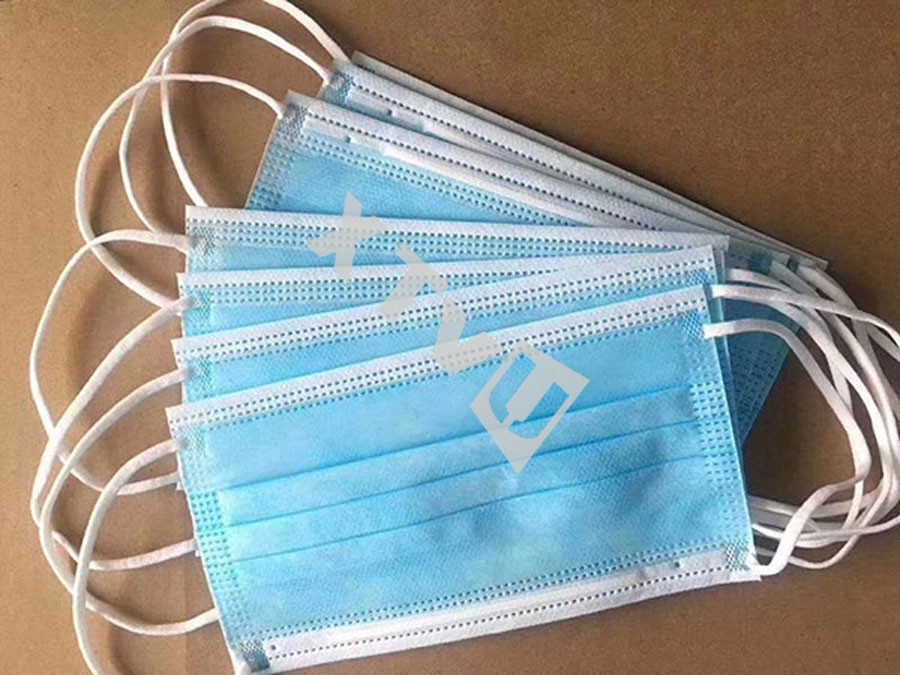
types of polypropylene Polypropylene pp type
Polypropylene is the single most used category in all plastics, and
it is also the most widely used category. It can be used to classify
different substrates. Within the classification, it can still be
specified in different melt flow rates, even according to the needs of
individual products. Addition of additional additives and then specify
the use of specifications, such as: single polymer, MFR: about 12 can be
used for general injection of finished products, can also produce
multifilament fiber, but also can deliberately create a broad molecular
weight distribution to improve the processing of fiber woven fabrics At
the same time, it can also add lubricating agents and anti-adhesives to
increase the opening of convenience plastic bags finished product
requirements. As a result, many specifications have been extended, but
the general physical properties are similar, and there are alternatives
to each other in addition to the non-intended primary uses. Here try to
make reference to the different base materials for reference and explain
them one by one.
1. HOMOPOLYMER Single polymer, known in the mainland as
homopolymerization, is a raw material for the polymerization of pure
propylene.
2. Impact resistance grade (IMPACT COPOLYMER) is a single polymer added
ethylene propylene rubber, the impact strength depends mainly on the
level of rubber content, the degree of cold is good or bad mainly
depends on the level of ethylene content. Different raw material
manufacturers have different processes, and the highest ethylene content
is also different.
3. RANDOM COPOLYMER Random copolymers, ethylene and ethylene
copolymerization, ethylene irregularly dispersed in the polymer, mainly
to reduce the crystallinity of the polymer and then improve the
transparency.
4. HIGH ISOTACTICITY or HIGH CRYSTALLINITY Reducing the content of
misaligned structures in PP polymers will increase the crystallinity by
increasing the content of regular structures. Mainly to improve the
rigidity of raw materials, heat denaturation temperature, surface
hardness, scratch resistance and gloss. Of course, the addition of
nucleating agents will also contribute to the improvement of these
properties.
5. TERPOLYMER is an extension of random copolymers. Generally, the
content of propylene with ethylene (non-EPR) is up to 3.5%, but there
are also processes that can be added to 5%. The higher the ethylene
content, the softer the product is, and the thermal deformation
temperature is. The lower the softening point and the heat-seal
temperature, sometimes the styrene or other third component is used as
the tri-copolymer to increase the ethylene content to achieve the above
physical properties.
6. Alloy grade (ALLOY) A high proportion of different plastic raw
materials can be mixed alloy grade, for example, PP added LDPE can
improve the softness and impact strength, can also reduce necking and
increase the flatness in the processing, can also be reduced in the
molding Falling phenomenon. PP plus EPR and HDPE can maintain rigidity,
reduce whitening caused by high EPR content, and improve impact
strength.
7. COMPOUNDING Composite materials known as composites of different
materials, such as glass fiber, various types of inorganic mineral
powder, organic wood powder, paper scraps, or cereal flakes, are used in
PP materials to improve various physical properties. Slag also
includes: talc, calcium carbonate, barium sulfate, mica, carbon black,
carbon fiber and bromide.
types of polypropylene Polypropylene pp type
8. Rubber (RUBBER) Rubber, TPR (thermoplastic rubber) and TPE
(thermoplastic elastomer) are sometimes difficult to demarcate, and in
various definitions, most rubbers can be mixed with PP. Outside the EPR
series, it is also difficult to define that the mixture is positioned
within the alloy or composite item. The rubbers that are often mixed
with PP include EPR and EPDM. The brands that are suitable for direct
blending with PP include CATALLOY, PLASTOMER, ENGAGE, TAFMER, KRATON,
and SANTOPLENE.
9.Special specifications (SPECIALS) Not included in the former category
can be classified as such, for example: high melt strength raw materials
(HMS, High Melt Strength) can be used in foamed materials to improve
surface airtightness and improve foaming effect , Also can reduce the
sheet material crash phenomenon.
types of polypropylene Polypropylene pp type
-
2023-05-13
Disposable Nylon Hai…
Disposable Nylon Hair Net Blac…
-
2023-05-13
ladies black hair ne…
ladies black hair nets invisib…
-
2023-05-13
Prevent Hair Falling…
Prevent Hair Falling 21" …
-
2023-05-13
Disposable nylon mes…
Disposable nylon mesh cap
-
2023-04-11
Beard Cover, Nylon
Beard Cover, Nylon


 English